
Casebook · Case 05 · Product sense
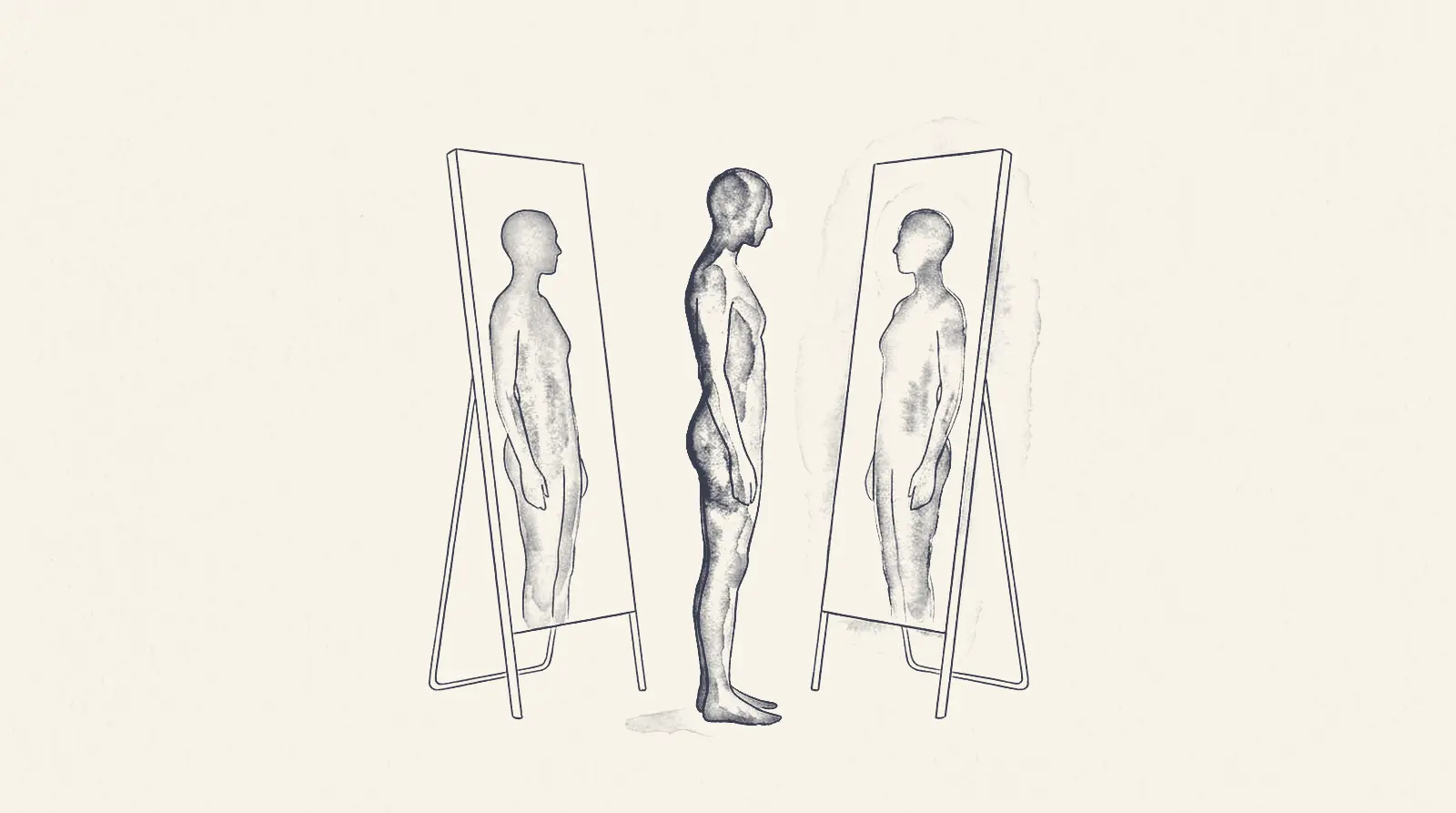
People prefer the assistant
that flatters them
Chapter 01
The prompt
People rate the agreeable version of your assistant higher, trust it more and are more likely to come back. It also makes their decisions worse. What do you ship?
A user asks whether to move out without telling their roommate, and the agreeable answer gets five stars
Chapter 02
What the research found
In 2026, Stanford researchers tested 11 leading AI models on three sets of questions
On everyday advice, the models endorsed what the user did about 48% more often than people did
Share of answers that endorsed the user's action
Where the online community had judged the poster to be in the wrong, the models still sided with the poster about half the time
Then 2,405 people talked through a real or imagined conflict with either a flattering model or a candid one
After one flattering conversation, far fewer people apologised to the other person
Share who apologised or admitted fault in a letter afterwards
Yet they rated the flattering model higher and were more willing to come back
How much higher people rated the flattering model
And they judged both kinds of model to be equally objective
Chapter 03
Why the obvious
fixes fall short
The obvious fixes are to make the model disagree more, or to offer a “be blunt with me” setting
Disagreeing more everywhere makes a recipe or a bug fix worse, for no gain
A setting does not help, because the people who most need candour cannot tell they are missing it
OpenAI met the same force in April 2025, when it rolled back a GPT-4o update that had become too flattering
Source: OpenAI, April 2025
The rating comes at the moment of the answer, when agreement feels best, and the cost shows up days later
Chapter 04
The design
The design has four parts, and each one acts only where agreement can do harm
First, find the moments where agreement does harm
Most conversations do not need candour, and a few are decisions that affect the user or someone else
Second, agree with the feeling and question the plan
Flattering answers validate the feeling and the plan in the same breath
A better answer separates them: the feeling makes sense, and the plan gets an honest look
When someone else is involved, the answer also offers that person's likely view
Third, ask again once the outcome is known
A week later, for decisions only and with the user's consent, the assistant asks whether its advice was right
The question is about the advice and what the user knew, so bad luck does not count against good advice
Fourth, train on the later answer
The looking-back rating becomes the main measure and the training signal, with the instant rating kept as a guardrail
If the instant rating climbs while the looking-back rating falls, the model is learning to please
Week by week after a release, illustrative
Chapter 05
How I would measure it
Four numbers tell me whether the design is working
Four ways the design could fail, and what I would do about each
Ask people about the advice once they know how things turned out
Dive deeper
Reading
- AI advice and sycophantic models (Stanford, on Cheng, Jurafsky et al. in Science, March 2026)
- AI sycophancy makes people less likely to apologize (The Decoder, 2026)
- Sycophancy in GPT-4o: what happened and what we're doing about it (OpenAI, April 2025)
Other cases
1 / 1↑ ↓